Services/ 04
Custom software & internal tools
Software built around how your business actually works.
Off-the-shelf tools cover the common cases. When your process is the thing that makes you different — or your industry is too small for anyone to have built for it — you end up with spreadsheets, workarounds, and a stack of subscriptions that don't talk to each other. We build the software that fits instead.
Sound familiar?
The problem usually shows up like this
- Your quotes start in a spreadsheet and get re-typed into invoices.
- You pay for five tools, and keeping them in sync is somebody's job.
- The only way to answer “where is that job at?” is to go ask someone.
- Your best process lives in one employee's head.
- You've outgrown the software you started on, and moving means abandoning years of data.
- The off-the-shelf option almost works — it just can't do the three things that matter most.
What's included
Client portals and customer-facing tools
Logins, dashboards, document delivery, and payments — so your customers can check their status, get their files, and pay you without an email thread.
Internal tools that retire the spreadsheet
The workflow your team runs on — the steps, the calculations, and the rules about what can't happen — in one place, instead of a shared spreadsheet and somebody's memory.
CRMs for industries nobody built for
When your sales process doesn't fit a generic pipeline — compliance deadlines, multi-stage proposals, records that don't map to contacts and deals. It's the same tracking work as the compliance software below, pointed at your pipeline. If a stock CRM would serve you better, we'll say so.
Integrations between tools you already pay for
Payments, calendars, spreadsheets, and the rest, wired together so information stops being copy-pasted between them and nothing falls through the gaps.
A fixed scope and price before we build
We map the workflow and put the plan in writing first, so you approve a number before development starts. The repository and the hosting sit in your accounts from the first commit — not handed over at the end.
How it works
You approve the price before anything gets built
A 15-minute call
You describe the problem. We tell you honestly whether it's worth building, whether a stock tool would do it for a fraction of the price, or whether it isn't a software problem at all.
The blueprint
A short paid engagement: we map the workflow end to end, agree exactly what's in and what's out, and hand you a written plan with a fixed price. It's yours to keep whether or not you build it with us.
Built in phases
You see working software early and keep seeing it — not weeks of silence followed by a reveal. Each phase is something you can use and react to, so course corrections happen while they're cheap.
Launch, then care
We move your existing records across, run a walkthrough with the people who'll use it day to day, and leave a written setup and maintenance guide. A care plan for support and improvements is available from there.
We've built this
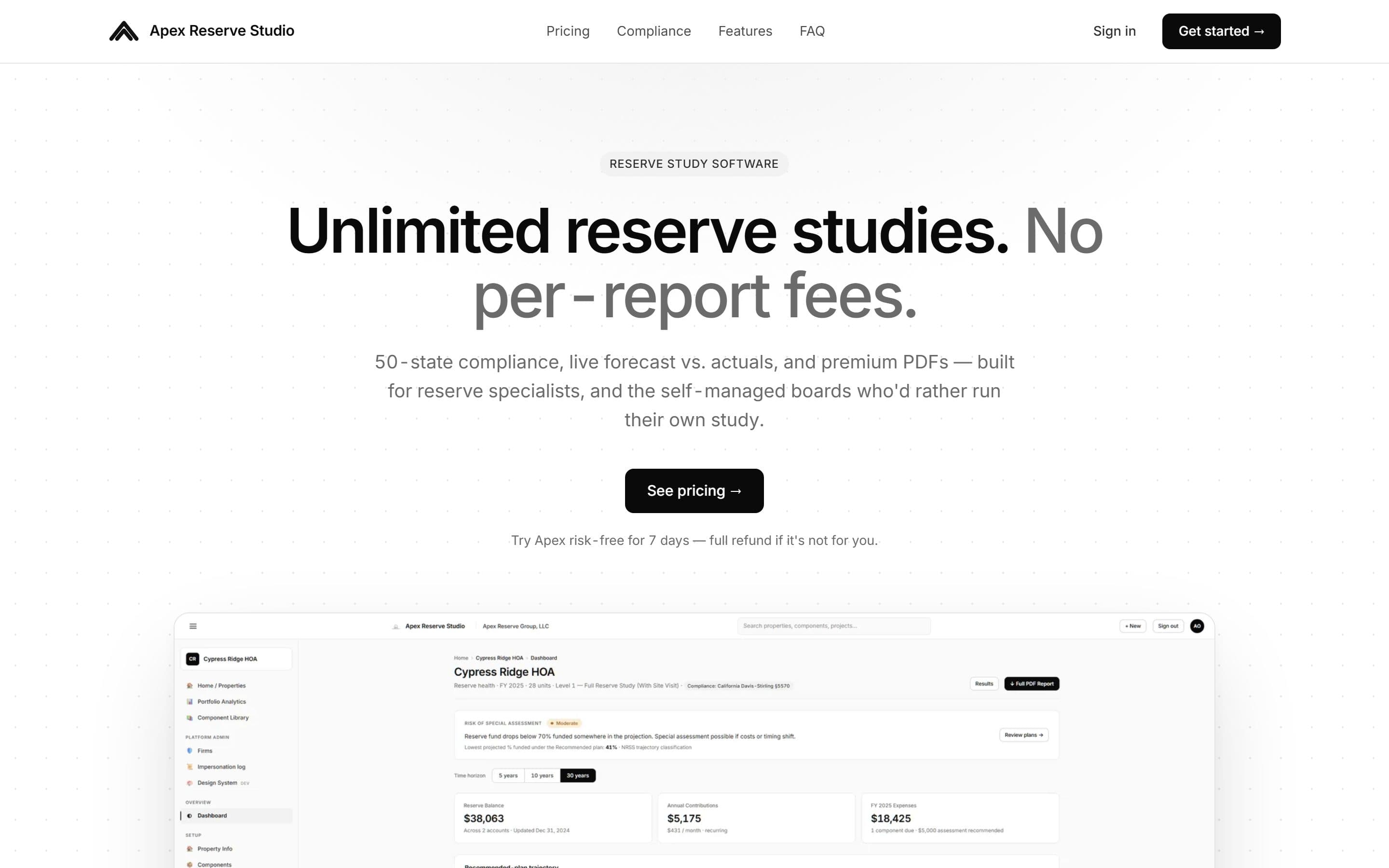
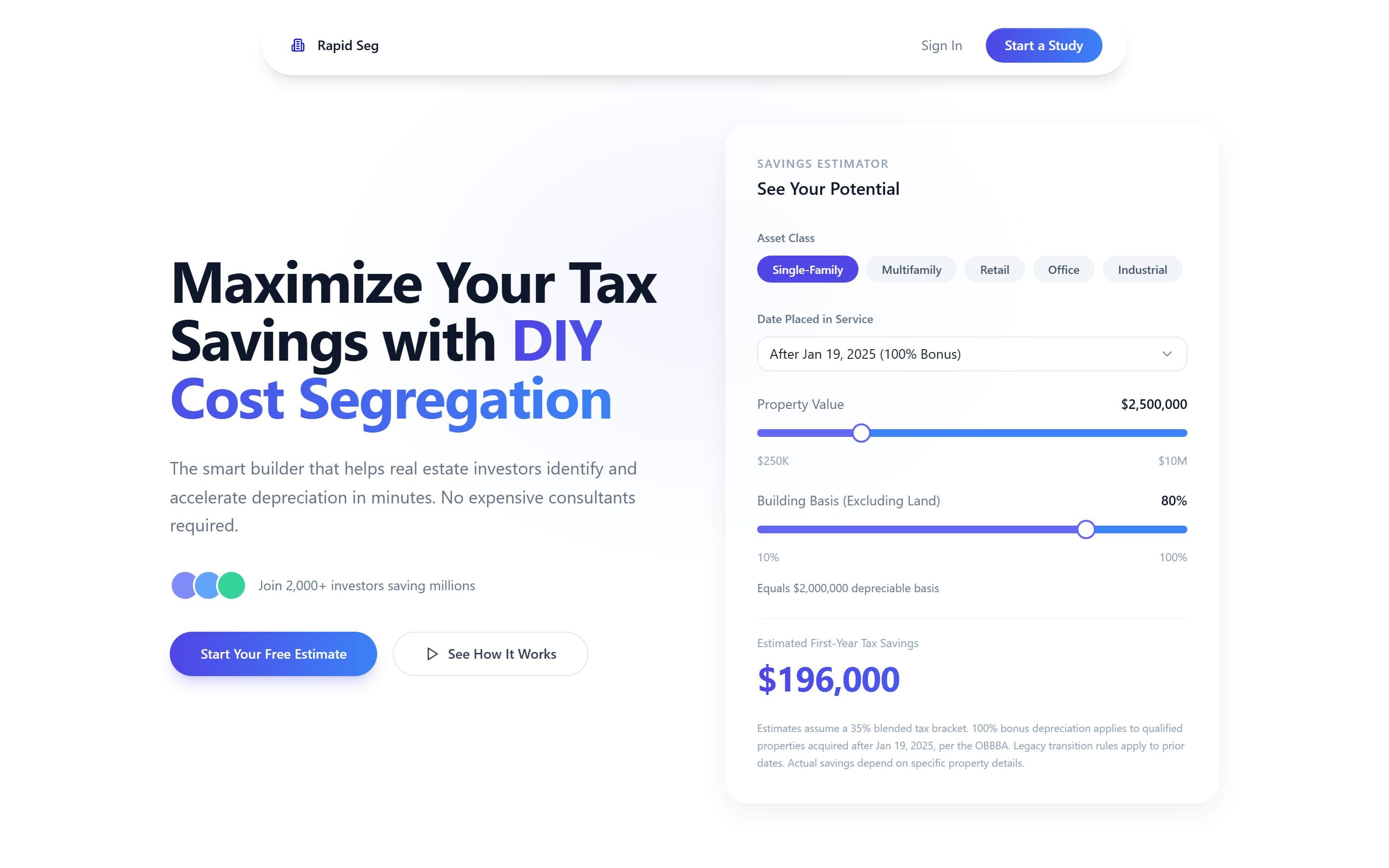
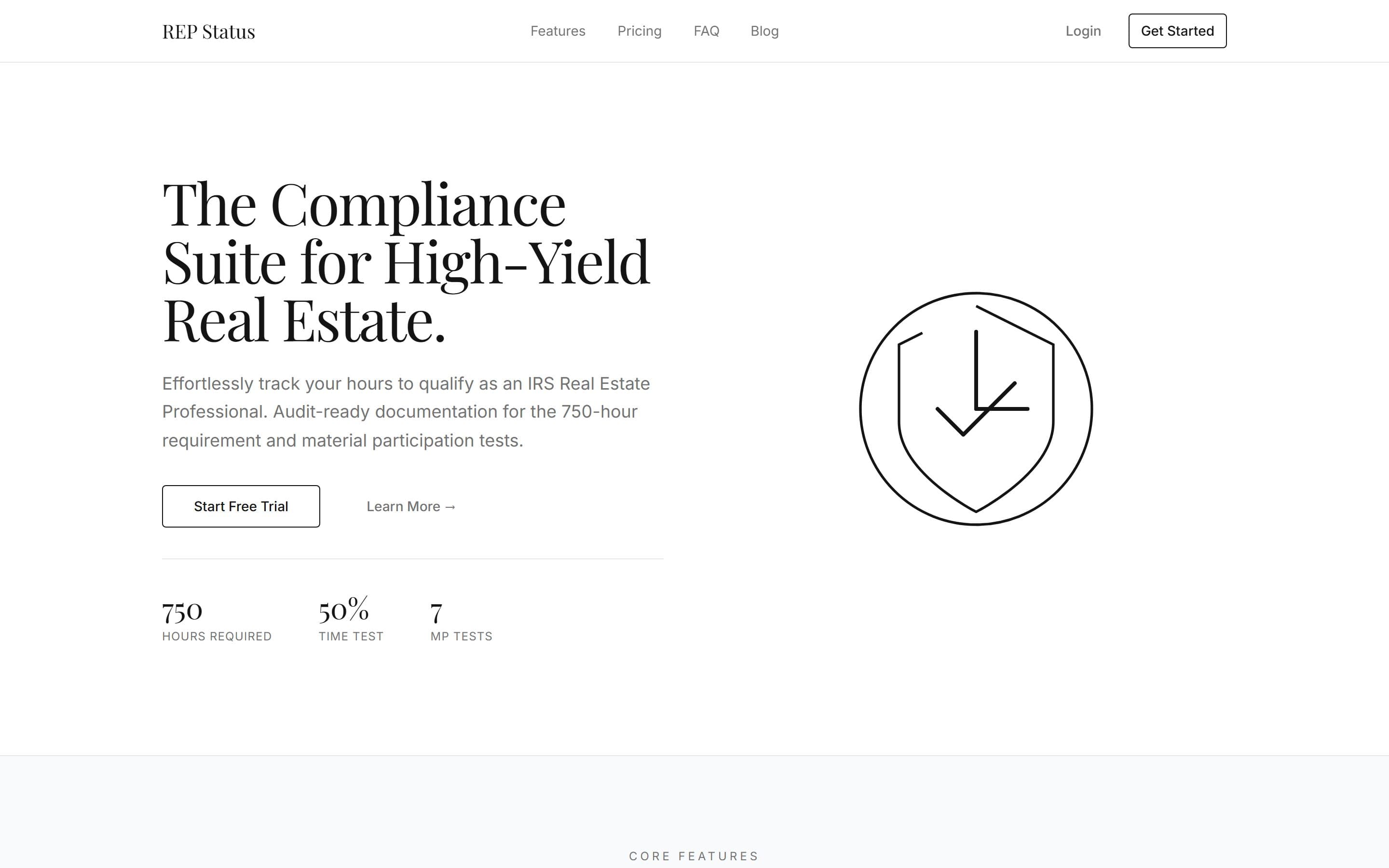
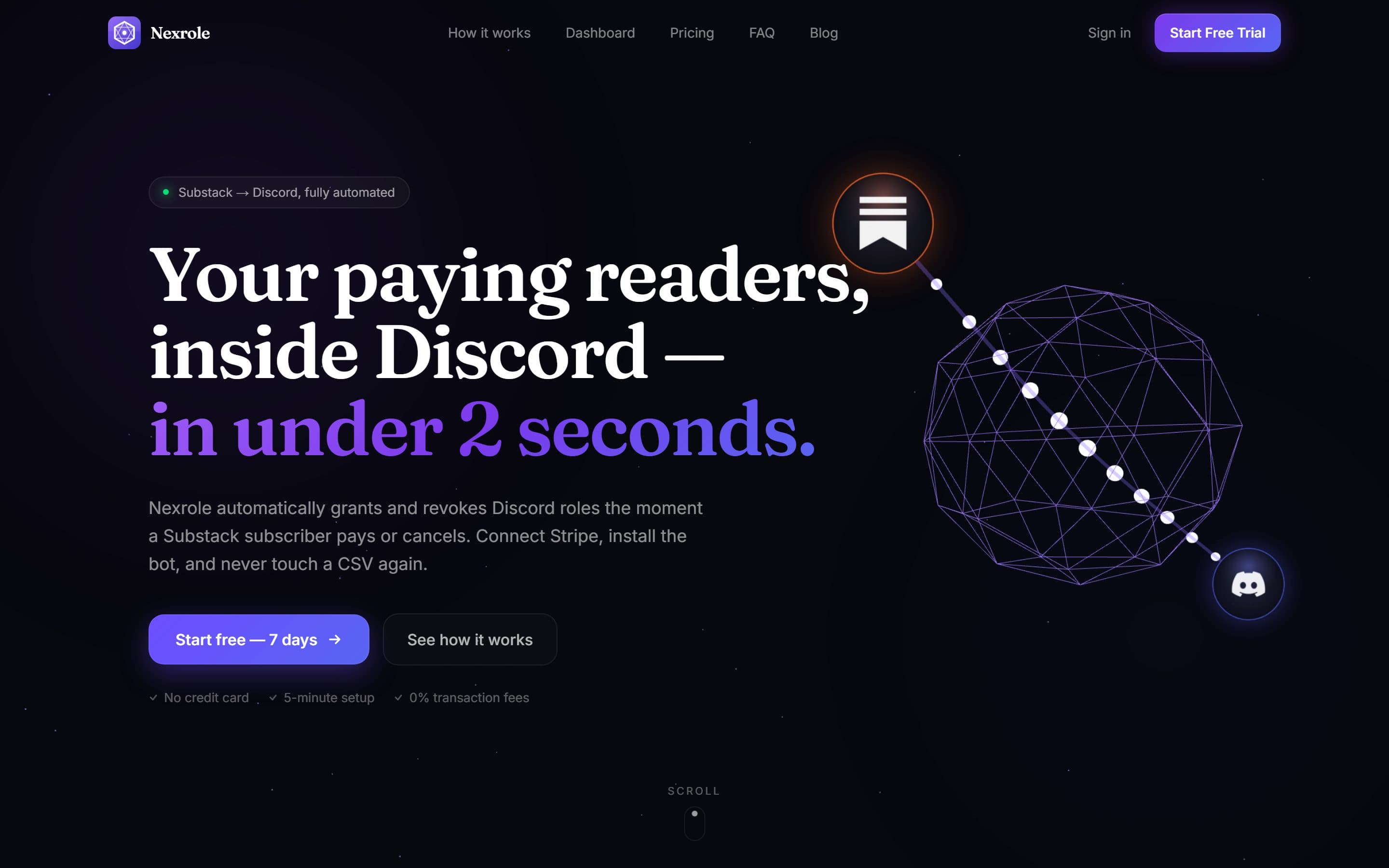
Products we designed, built, and shipped
These aren't client logos — they're our own products. We funded them, built them, and still run them, which is why we can show you the inside of every one instead of a testimonial.
Questions
Do I actually need custom software?
Often, no — and we'll tell you. If a stock tool covers your process, buying it beats building it every time. Custom earns its cost in three situations: your industry is too small for anyone to have built proper software for it, your workflow is a reason customers choose you, or you're paying for several tools that don't talk and someone on your team is the glue.
Do I need to know exactly what I want before we start?
No. Most people know the problem, not the solution — that's normal, and it's what the blueprint step is for. You bring the frustration and how the work really gets done; we turn it into a specification you can read, argue with, and approve before anything is built.
How do you price something this open-ended?
We scope before we build. The blueprint produces a written plan with a fixed price, and you approve that number before development starts. Worth measuring it against what the problem already costs you: hours spent re-keying data, the subscriptions a single tool would replace, and the work lost to mistakes nobody catches until later.
What happens to the data I already have?
It comes with you. Nobody should have to start from an empty system, so moving your data is part of the job rather than an afterthought. How much work that takes depends on how clean the records are, which is exactly what the blueprint looks at: we go through what you've got and price the move into the quote, rather than discovering it halfway through the build.
What if my business changes after it's built?
It will, which is why it's built to be changed. The code is structured and documented for editing rather than tuned to today's exact process. Routine tweaks are covered by the care plan; anything that's really a new feature gets scoped and quoted the same way the original build was, so nobody has to argue about what counts as small.
What happens after it launches?
Software needs looking after, so a care plan is offered with every build: hosting, support, and routine improvements as you actually use it. Decline it and everything still works — the repository, hosting, and domain are in your accounts under your name from day one, with a written maintenance guide, so another developer can pick it up without unpicking anything first.
Other services
Fifteen minutes, a straight answer on fit and cost, and a fixed quote before anything starts.